

Why Jared Isaacman’s NASA Appointment Matters
He left high school to build a fintech empire, mastered tactical jets and pioneered commercial spaceflight. Now he is poised to shape US leadership in space.


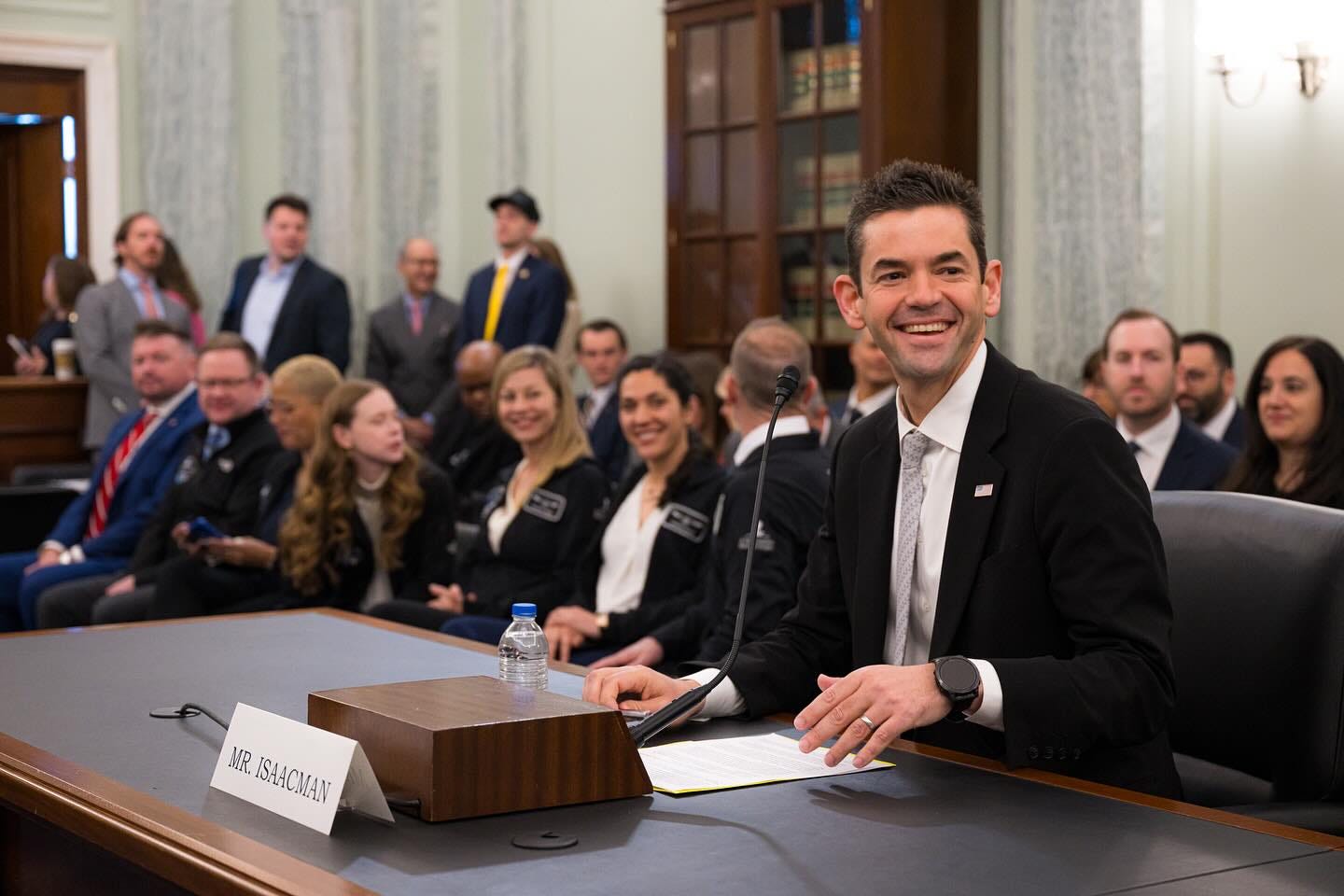
In a time of fierce scrutiny, Jared Isaacman stands out as an unusually capable and committed leader. His selection as NASA Administrator may prove to be one of the most consequential federal appointments this century.
NASA at an Inflection Point
NASA is at a critical juncture. The agency’s risk aversion and execution drag were shaped by tragedy, from Challenger to later shuttle-era failures. When the shuttle program shut down, NASA was forced to rely on Russia for astronaut transportation to the ISS. That dependence lasted a decade, until SpaceX delivered a private-sector solution by breaking through legacy resistance
Observers of NASA, including astronauts such as Scott Kelly and Senator Mark Kelly, (who voted to confirm Isaacman with bipartisan support), have argued that the agency’s decision-making became overly cautious and slow, leaving it ill-positioned to keep pace with industry advances and intensifying geopolitical competition.
At the same time, a commercial space sector has emerged, accelerating launch, crew transport, and spacecraft development. NASA must harness that momentum to advance Artemis lunar efforts, enable post-ISS private stations, and respond to China’s increasingly ambitious programs.
The central challenge is no longer technical capability, but aligning government oversight, commercial execution, and geopolitical urgency fast enough to sustain leadership.
Who Is Jared Isaacman?
Jared Isaacman is an unconventional figure in space leadership, shaped by early venture building rather than institutional pathways. Born in 1983 and raised in Union, New Jersey, he grew up in a middle-class household and became financially independent at a young age through entrepreneurship.
At age 16, Isaacman left high school and started a payments-processing business from his parents’ basement. That company became Shift4 Payments, which he spent the next two decades building into a multibillion-dollar fintech firm. He later earned a GED but did not attend college, choosing instead to scale his business while pursuing private aviation training.
Parallel to his fintech career, Isaacman became an elite pilot and commercial astronaut. He logged thousands of flight hours, set a world record flying around the globe in a light jet, earned type ratings in aircraft including the L-39 and A-4 Skyhawk, and founded Draken International to provide adversary air training for the U.S. military.
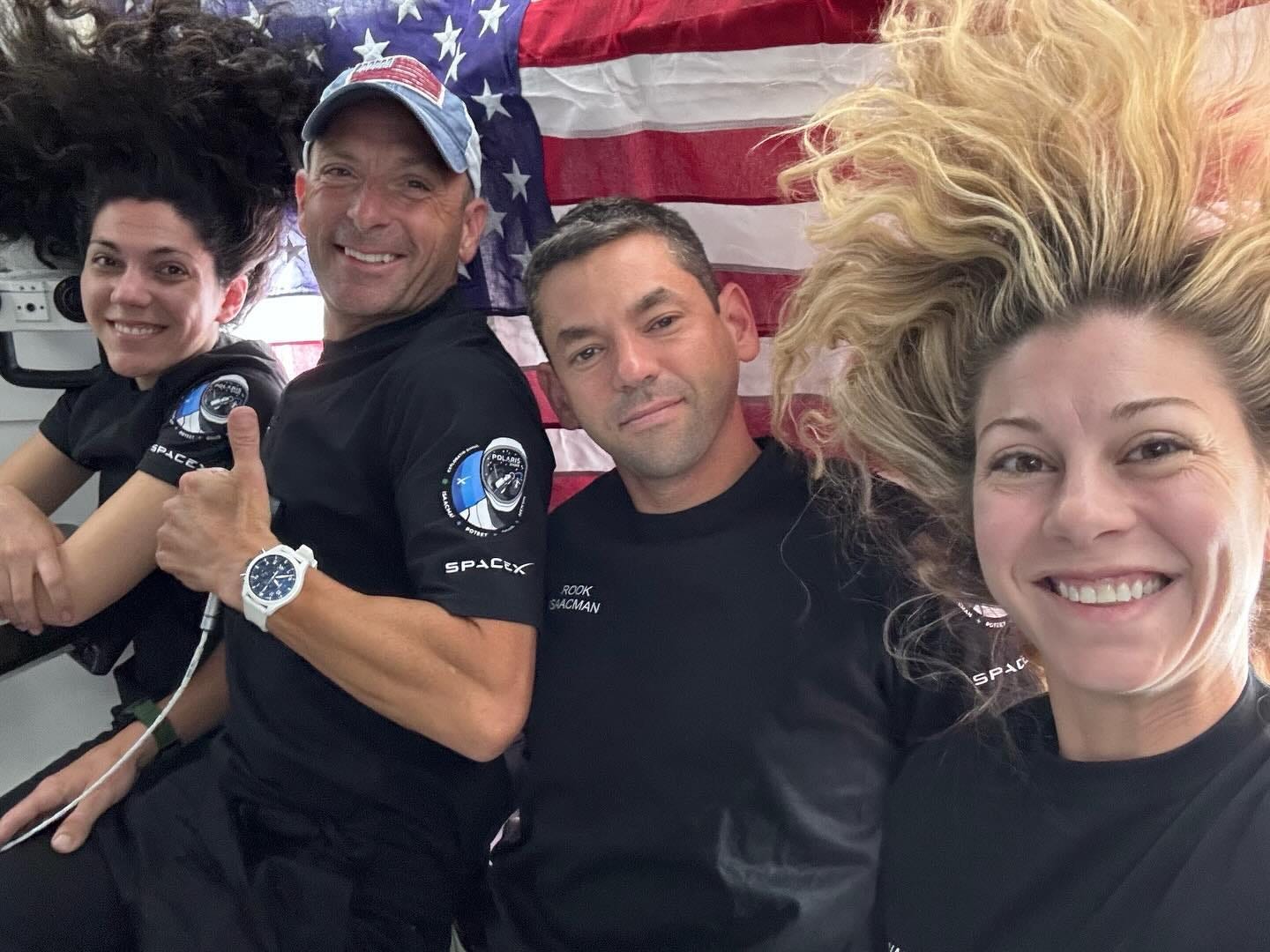
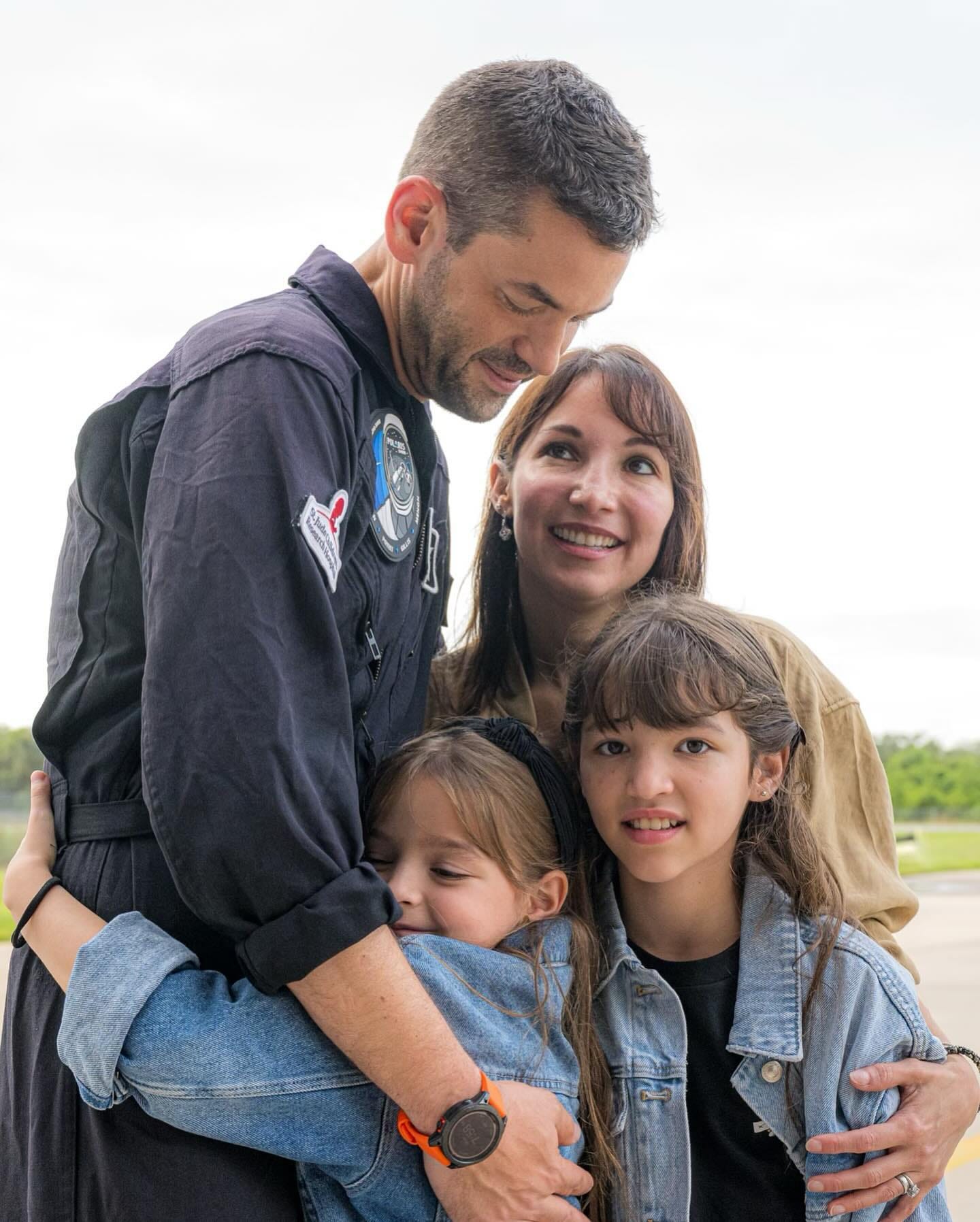
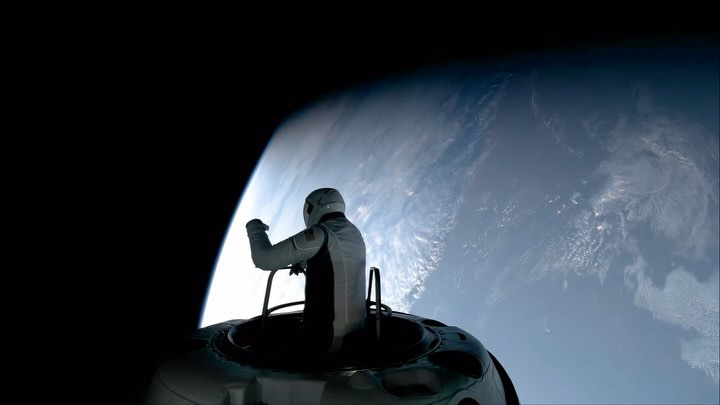
Isaacman financed and commanded SpaceX’s Inspiration4, the first all-civilian orbital mission, which raised hundreds of millions of dollars for St. Jude Children’s Research Hospital. He later led Polaris Dawn, carrying out the first civilian spacewalk in an untested SpaceX spacesuit and traveling farther from Earth than any mission since Apollo.
A Nomination Derailed, Then Restored
Isaacman’s path to confirmation was far from straightforward. His initial nomination became entangled in a highly publicized dispute between President Trump and Elon Musk, culminating in the president withdrawing the nomination in May 2025, days before a scheduled Senate vote.
Afterward, Isaacman kept a low profile, avoiding public commentary and continuing to engage quietly with lawmakers across parties. Months later, as concerns over leadership, competition with China, and NASA’s challenges sharpened, the White House moved forward with a second nomination, which was approved by a 67–30 Senate vote on December 17, 2025.
Isaacman’s Commitment
Upon confirmation, Issacman shared a personal commitment statement via social media:
As I step into this role, I make these personal commitments:
• Mission: I will champion the bold objectives of human space exploration, scientific discovery, and a thriving space economy that ensures America’s leadership in space. We will never again give up our capabilities to reach for the stars, and we will never settle for second place.
• Integrity: I will serve responsibly, transparently, and without personal gain, covering every cost I am legally permitted to, and fully adhering to my ethics agreement. My loyalty is to my country, my President, and the space agency that has inspired me since I was a child.
• Urgency: I will intensely focus the agency on achieving the near-impossible, the very reason NASA was established in the first place. We will eliminate the bureaucracy that impedes progress and empower the best and brightest to take ownership, move quickly, accept smart risks, and act with a relentless focus on mission success.
• Inspiration: Every launch, every scientific breakthrough must inspire the next generation to dream bigger, to reach higher, and believe that anything is possible. In addition to my existing philanthropic efforts, I will donate my salary as Administrator to the U.S. Space & Rocket Center’s Space Camp to help prepare the pioneers of tomorrow.
I am humbled by this opportunity, proud to serve, and ready to work alongside the most talented minds in America as we continue the greatest adventure in human history.
Sincerely,
Jared Isaacman, NASA Administrator
The Test Ahead
Isaacman’s impact will hinge on his ability to adapt private-sector execution to public governance. NASA manages roughly $25 billion annually, employs about 18,000 civil servants, and relies on 40,000–60,000 contractors, all operating under congressional oversight and procurement law. That reality differs in scale and structure from Shift4 Payments, where Isaacman led a company of roughly 4,000 employees with more than $3 billion in annual revenue, benefiting from faster, market-driven decision cycles.
Leading NASA will require navigating, and in some cases transforming, political and bureaucratic constraints. If Isaacman can successfully apply his execution-focused approach, he could turn NASA’s formidable resources into a strategic advantage for the commercial space industry and national security.
