Lift Off: September 10, 2024 03:38 EDT (helium leak then weather delays)
Spacewalk: September 12, 2024; 5:58 AM EDT, aprox. duration two hours
Splash Down: September 15, 2024, at 3:36 AM EDT, after 5 days in orbit.
Next week is an unusual week with two private space launches. SpaceX Polaris Dawn and Blue Origin NS-26 scheduled within days of each other. Up to date details on both missions will be available in the Upcoming Events section, but only this post will be sent by email.
Polaris Dawn is an extraordinary mission as it features the first-ever all-civilian spacewalk. What makes it even more dramatic is the newly developed SpaceX spacesuit, which the relatively inexperienced four-person crew will use, has never been used on a spacewalk before. The Crew Dragon spacecraft does not have an airlock, which means all occupants of the capsule will be exposed to the vacuum of space during the event. All of these factors heighten the unknown element of risk.
Launching from NASA’s Kennedy Space Center, it’s the second mission funded by Shift4 billionaire and accomplished private jet pilot Jared Isaacman. He will be joined by his sidekick Scott Poteet and two SpaceX employees, Sarah Gillis and Anna Mennon.
If you have some free time this weekend before the launch, we strongly suggest binging Countdown: Inspiration4 Mission to Space on Netflix. It follows Jared Issacman’s first orbital SpaceX mission in 2021 and features the other members of the Polaris Dawn crew in supporting roles in the previous mission. It is a great opportunity to get to know the crew before their launch next week, as the mission is expected to generate daily headlines.
How to Watch the Polaris Dawn Mission Live
The Polaris Dawn mission will lift off from Launch Complex 39A at NASA's Kennedy Space Center. You can watch the mission live through the following channels:
SpaceX YouTube will broadcast the launch live. The stream typically begins about 30 minutes before the scheduled launch time, offering viewers insights into the mission, commentary from experts, and live footage of the launch.
Space.com will also provide live updates and streaming links. They offer in-depth coverage and expert analysis, making it an excellent resource for those who want more context on the mission.
Rocketlaunch.live offers detailed timing information and live streaming options for the launch. It’s a reliable source for anyone interested in the technical aspects of the launch sequence and mission milestones as well as a schedule of all upcoming launches.
These channels will provide comprehensive coverage, including pre-launch commentary, live feeds from the launch site, and post-launch analysis.

What It Means for Space Tourism
This is definitely not a tourist excursion, however, Polaris Dawn is set to conduct the first-ever spacewalk by a civilian crew. If successful, this could open the door for space tourists to experience similar extravehicular activities (EVAs) in the future, adding a thrilling new dimension to space tourism. The development and testing of new spacesuits specifically designed for civilian use are critical steps toward making spacewalks a routine part of space tourism.
Once developed for broader civilian use, spacewalks will be the first true excursions outside of a spacecraft or the Space Station. These EVA’s along with lunar rover excursions, are the most obvious possibilities for space tours and activities.
The Polaris Dawn Crew
The Polaris Dawn mission crew is a team of four highly skilled individuals, each bringing unique expertise to this historic endeavor. Here’s a brief look at the crew members:
Jared Isaacman (Commander): Jared Isaacman, an American billionaire entrepreneur, philanthropist, and pilot, is the mission commander. Isaacman is no stranger to space travel, having previously funded and commanded the Inspiration4 mission in 2021, the first all-civilian orbital spaceflight. His vision for Polaris Dawn is to push the boundaries of private space exploration while raising funds for St. Jude Children's Research Hospital.
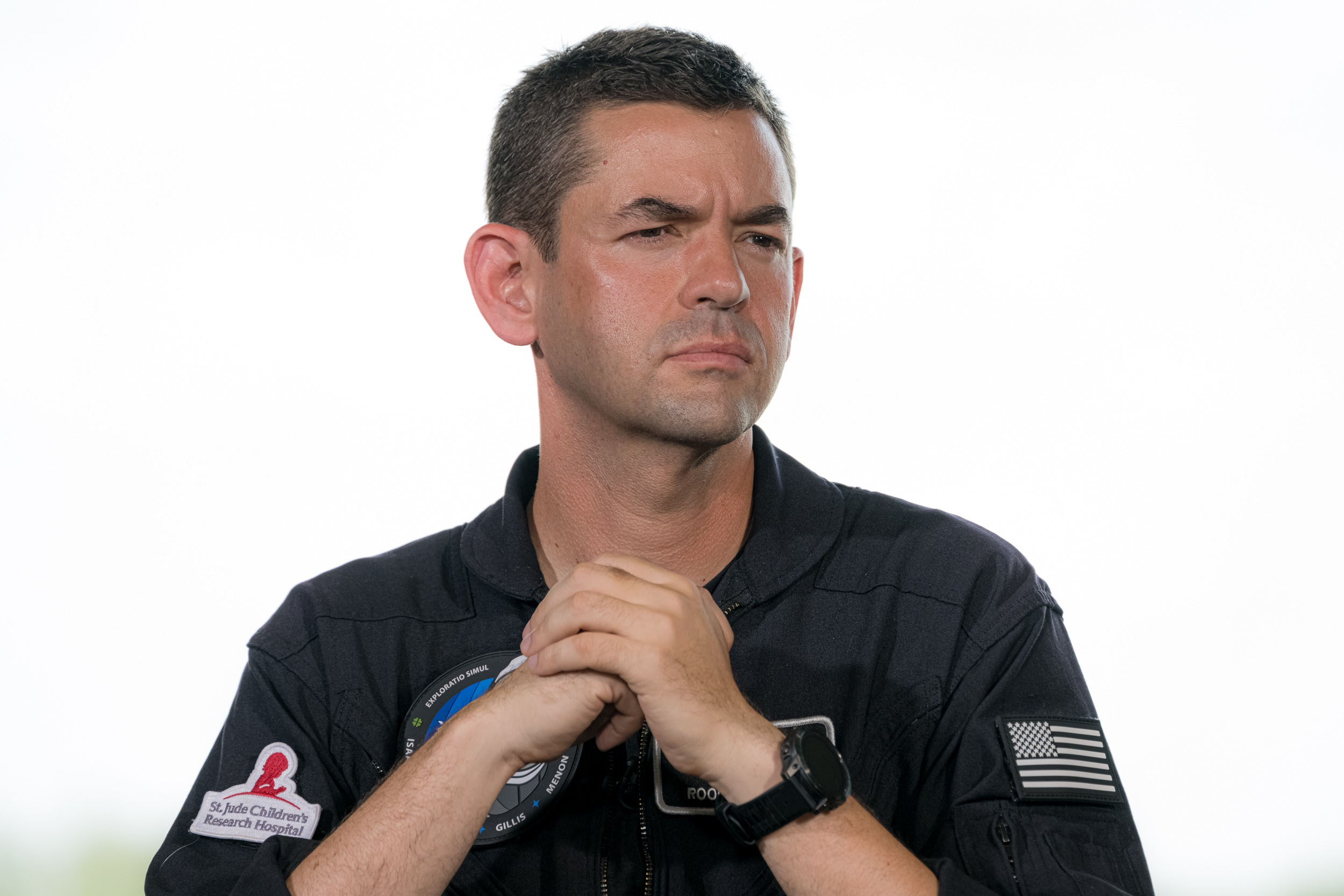
Scott "Kidd" Poteet (Pilot): An American retired United States Air Force Lieutenant Colonel, Scott Poteet serves as the pilot for Polaris Dawn. Poteet has a distinguished military career, including flying F-16 fighter jets and serving in various leadership roles.

Sarah Gillis (Mission Specialist): Sarah Gillis, American, is a Lead Space Operations Engineer at SpaceX and one of the mission specialists on Polaris Dawn. She has played a critical role in training NASA and SpaceX astronauts, preparing them for missions aboard the Dragon spacecraft.
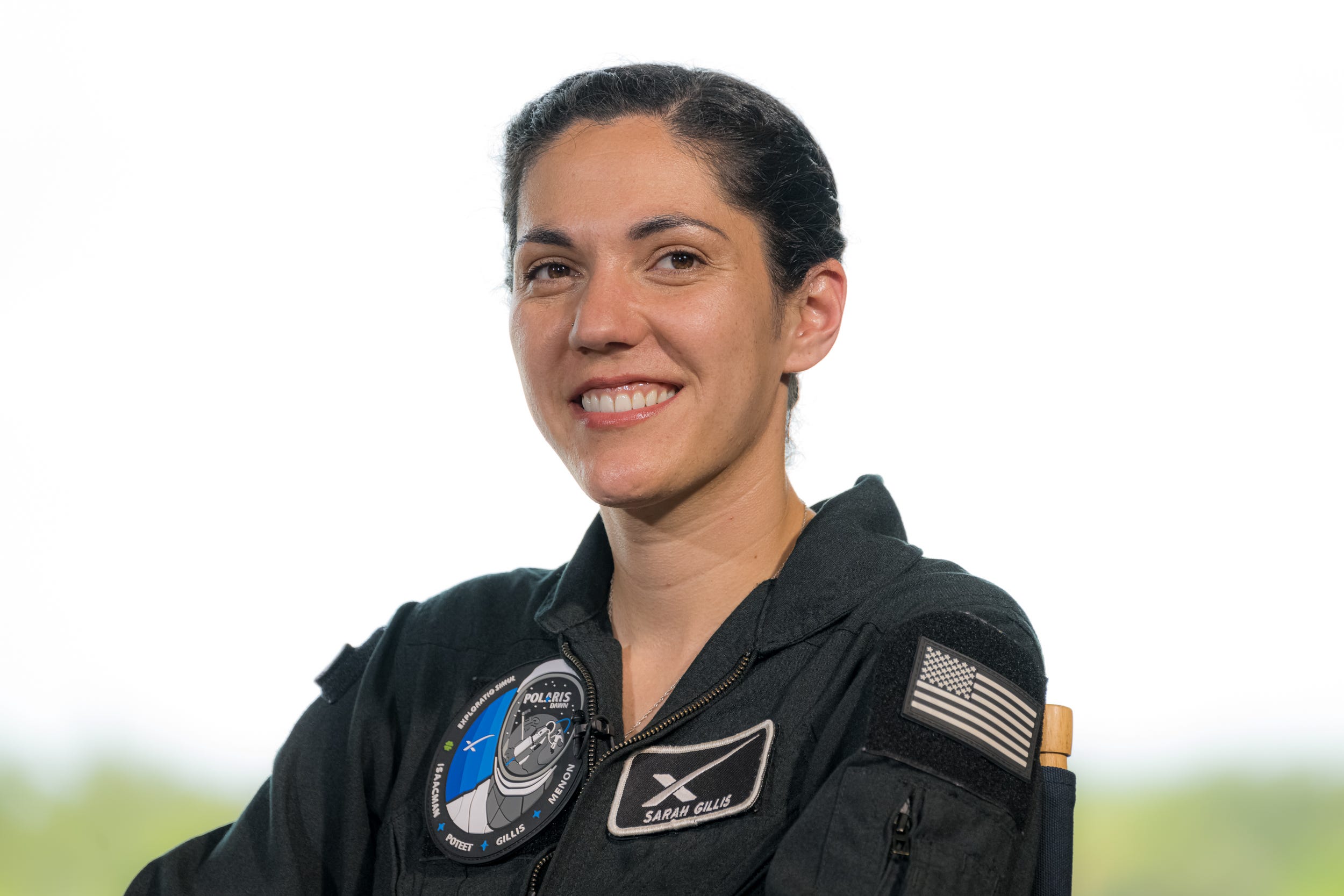
Anna Menon (Mission Specialist): Anna Menon, American, also a Lead Space Operations Engineer at SpaceX, serves as the second mission specialist. Menon has extensive experience in spaceflight operations, particularly in crew communications and mission planning.

Overview of the Polaris Dawn Mission Objectives
Polaris Dawn is not just another space mission; it’s a pioneering venture aimed at pushing the boundaries of what private space travel can achieve. Here are the key objectives of the mission:
First All-Civilian Spacewalk: Two crew members will exit the SpaceX Dragon spacecraft and conduct a series of tasks in the vacuum of space.
Testing New Spacesuits: These suits are designed to protect astronauts from the harsh conditions of space, including extreme temperatures and micrometeoroid impacts.
Scientific Research: Experiments will focus on the effects of space travel on the human body, as well as the performance of various technologies in the space environment.
Raising Funds for St. Jude Children's Research Hospital: Similar to the Inspiration4 mission, Polaris Dawn is also a fundraising endeavor for St. Jude Children's Research Hospital. The mission aims to raise millions of dollars to support the hospital’s work in treating and curing pediatric catastrophic diseases. You can donate here.
Exploring New Orbits: Polaris Dawn will take the crew to a higher orbit than any previous commercial mission, reaching approximately 870 miles (1,400 kilometers) above Earth.
The Polaris Dawn mission represents a significant advance in private space exploration. You have the opportunity to witness history in the making.